Huỳnh Thị Ngọc Phượng: From “Little Leopard” to Keeper of the Flame of Ho Chi Minh City Karate
From national champion at 16 to Head of Ho Chi Minh City Karate and General Secretary of the Ho Chi Minh City Karatedo Federation.
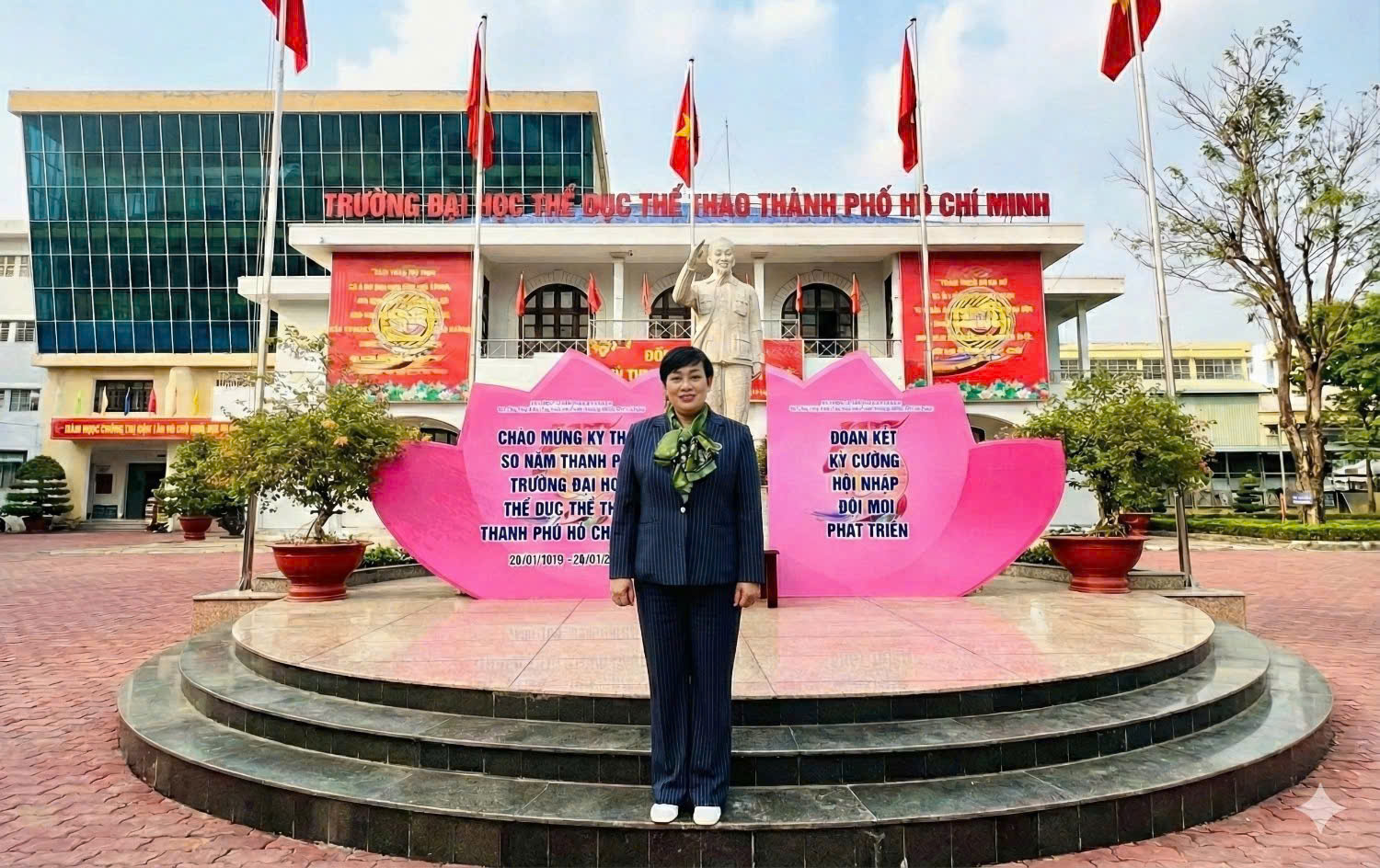
Huỳnh Thị Ngọc Phượng, now Head of Ho Chi Minh City Karate and General Secretary of the Ho Chi Minh City Karatedo Federation, was once among the city’s most promising young Karate athletes in the early 1990s. From national achievements at the age of 16 to her current technical and organisational responsibilities, her journey reflects an enduring commitment to the sport across many different roles.
An old newspaper record of a young hope
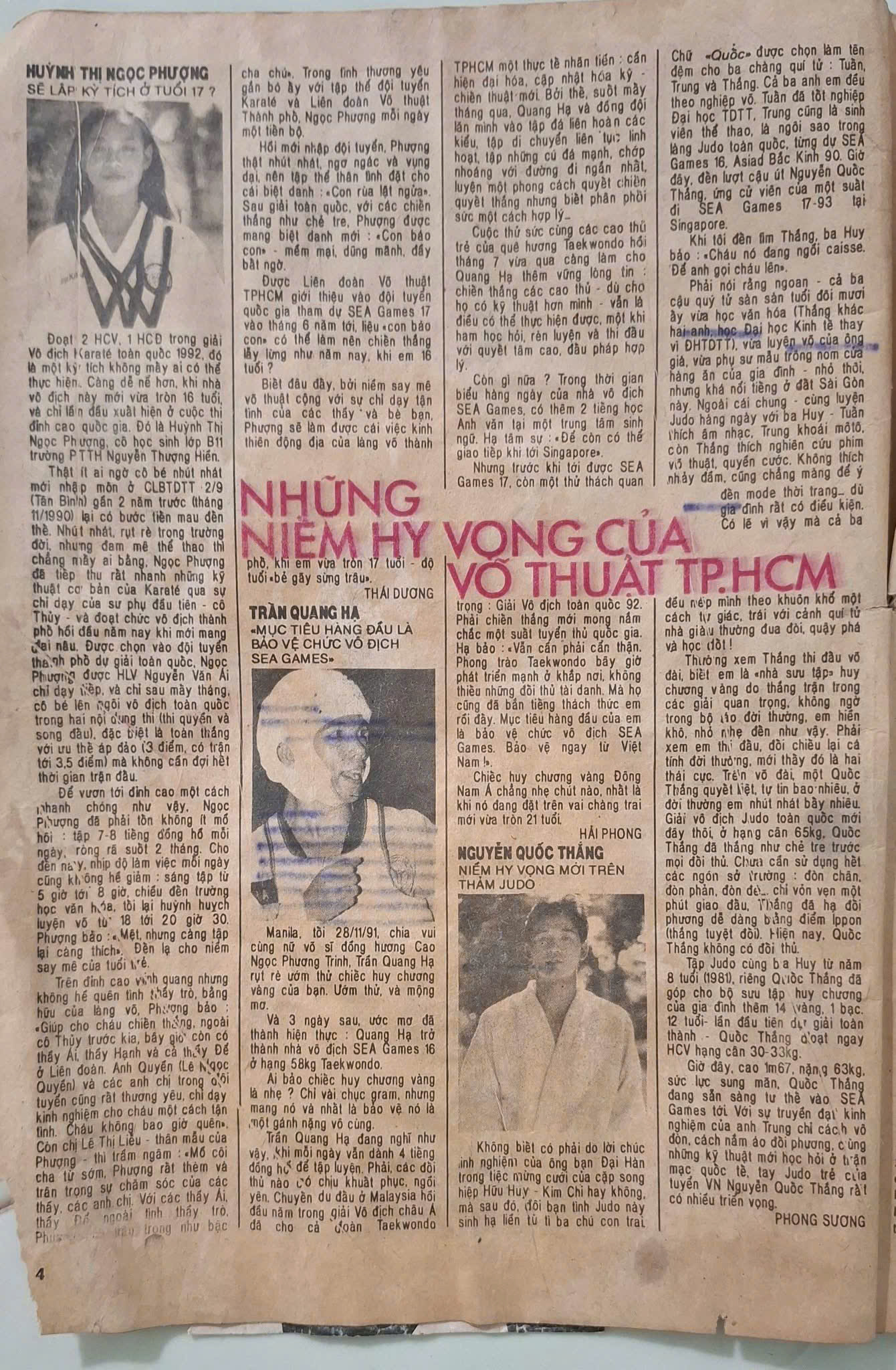
A faded press clipping, published in the “Ho Chi Minh City Martial Arts’ Rising Hopes” column, carried the headline “Huỳnh Thị Ngọc Phượng – Will She Make History at 17?” The article appeared as Ho Chi Minh City Karate was preparing its contingent for the 17th SEA Games, with Ngọc Phượng among the young athletes attracting considerable expectations.
According to the article, Ngọc Phượng began training in Karate at the 2/9 Sports Club in Tân Bình District in November 1990. Initially a shy and reserved girl, she soon showed both enthusiasm and an aptitude for mastering technique. Under the guidance of coach Nguyễn Văn Ái, Ngọc Phượng steadily progressed, winning the city championship while still holding a brown belt before being selected for the Ho Chi Minh City Karate team.
In 1992, at just 16 years old and a Grade 11 student at Nguyễn Thượng Hiền High School, Ngọc Phượng won two gold medals and one bronze medal at the National Karate Championships. The record also notes that she won gold in kata with a score of 3.5, without having to wait for the final competitor to perform. After only two years of training, the young female martial artist had become a national champion and was introduced to the team preparing for the 17th SEA Games.
The “Little Leopard” nickname and discipline on the tatami
Following her impressive performances at the national championships, Ngọc Phượng was nicknamed “Little Leopard” by her teammates, according to the press record. The nickname evoked a martial artist of slight build and a gentle appearance, yet capable of fast, powerful and unexpected attacks. From the initial apprehension she felt upon joining the team, she gradually displayed greater confidence and decisiveness in competition.
Ngọc Phượng demonstrated ability in both kata and kumite. While kata requires precision, body control, rhythm and technical depth, kumite tests reflexes, judgement and decision-making in brief moments. Competing in both disciplines reflected the well-rounded technical foundation of a young athlete.
Her achievements were built on a demanding training schedule. Ngọc Phượng trained from 5 a.m. to 8 a.m., attended school, and then continued training from 6 p.m. to 8:30 p.m.; the intensity was even higher during competition preparation. For a secondary-school student, this was a schedule that required persistence through repetitive technical drills, competitive pressure and the balance of academic studies.
The record also shows that she viewed success with gratitude towards her teachers, senior teammates and the collective that accompanied her. Coach Nguyễn Văn Ái’s care extended beyond technical training to her education and personal development. These are values of martial arts: respect, discipline, gratitude and the continual pursuit of self-improvement.
From the tatami to technical and organisational responsibility
More than three decades after the question posed in that old newspaper article, Huỳnh Thị Ngọc Phượng continues to contribute to Ho Chi Minh City Karate in two key roles: Head of Ho Chi Minh City Karate and General Secretary of the Ho Chi Minh City Karatedo Federation. While her competitive goals were once measured in each kata, match and championship, her work today is linked to the development of the city’s athletes, coaches and Karate movement.
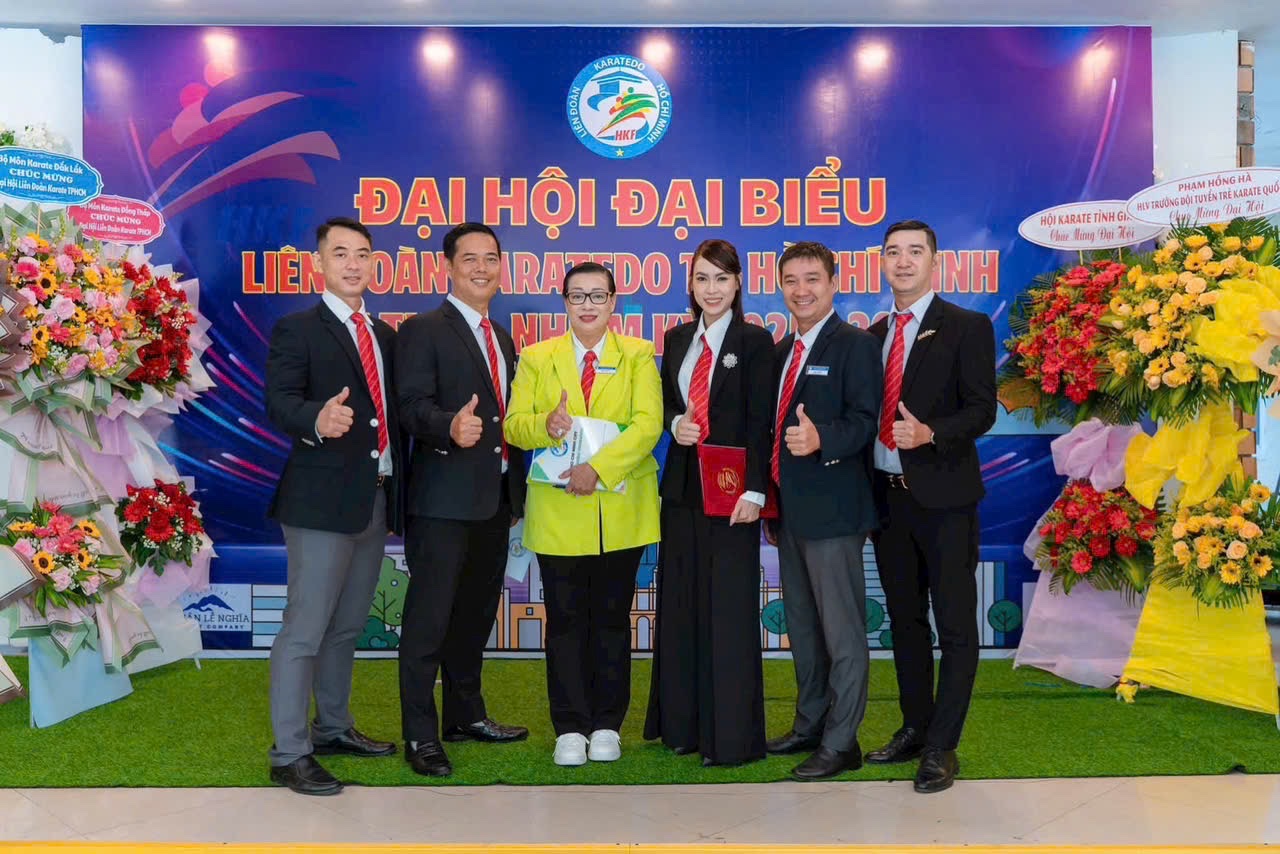
As Head of Ho Chi Minh City Karate, she is closely involved in technical work, the athlete and coaching contingent, and competition activities. As General Secretary of the Ho Chi Minh City Karatedo Federation, she takes part in the organisation, coordination and implementation of the Federation’s activities. These responsibilities require a combination of practical experience, organisational capacity and a long-term development outlook.
First-hand experience gained through training and competition is a valuable asset in management work. It helps technical officials understand the needs of young athletes, the role of coaches and the importance of a stable training environment. Her transition from an athlete given opportunities to someone helping cultivate opportunities for emerging talents is a defining feature of her journey.
Preserving continuity between generations
Ho Chi Minh City Karate has developed through the contributions of many generations of athletes, coaches and administrators. Within this continuing course, preserving experience, traditions and the martial arts spirit is as meaningful as achievement in competition. The image of Huỳnh Thị Ngọc Phượng alongside coaches and athletes at the 13th Southeast Asian Karate Championships in 2026 reflects the connection between her role as a former athlete and her current responsibilities.
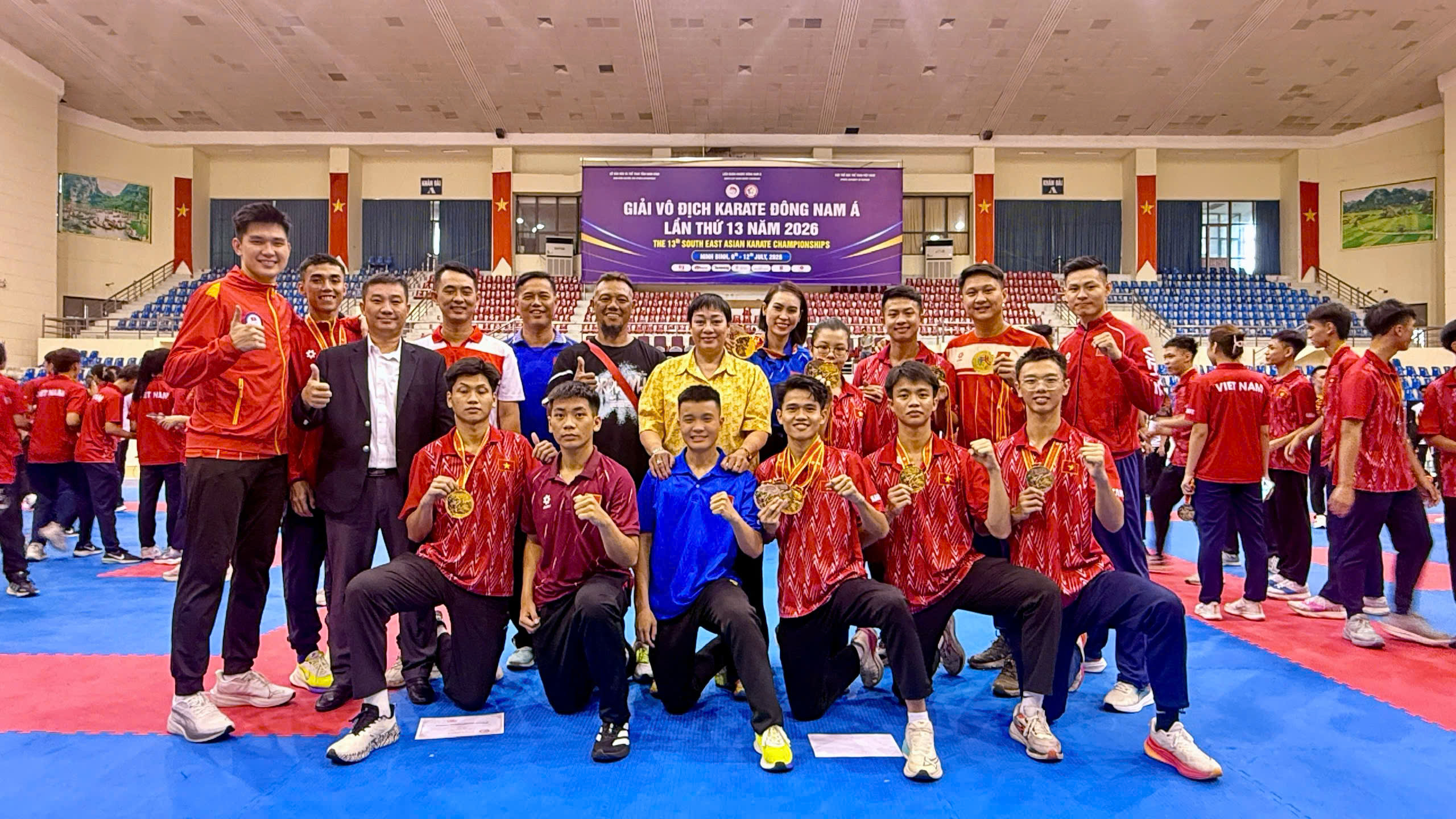
For young martial artists, the presence of those who came before them is more than encouragement. It is also a reminder that achievement does not come overnight, but is built through years of training, the guidance of coaches, the support of the collective and the ability to rise again after setbacks.
A medal preserves a moment of victory, while helping create the conditions for later generations to grow is long-term work. The story of the “Little Leopard” is therefore not only a recollection of a young Ho Chi Minh City Karate talent, but also one of succession: those once guided by others continue to contribute their experience, responsibility and belief to the future of the sport.
Comments