Zanshin – The Spirit of Awareness and Presence After Every Technique
Martial Arts & Philosophy · About a 6-minute read
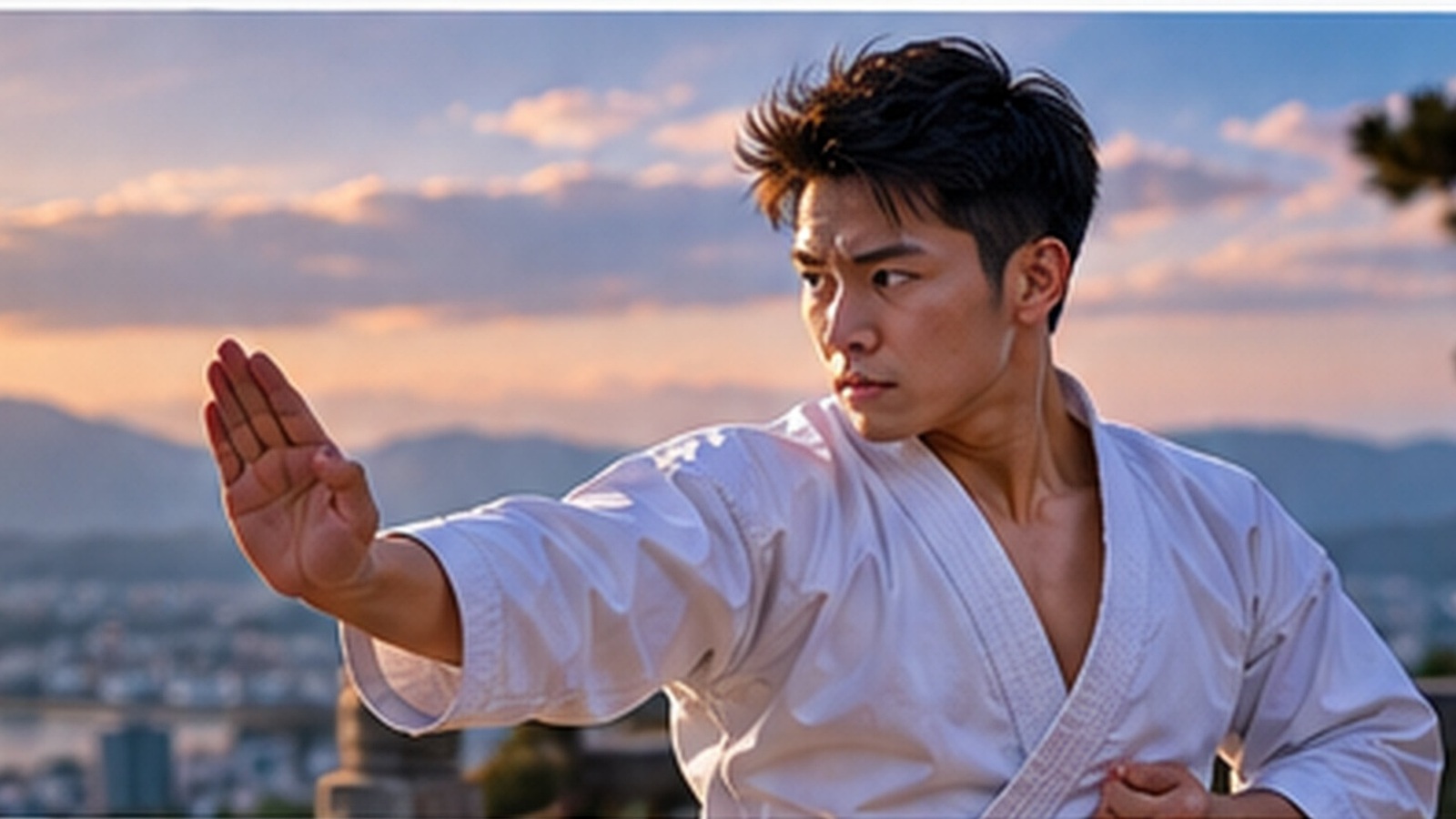
In Karatedo, a technique does not truly conclude when a punch has just stopped or when the foot has returned to position. The moment immediately afterward—when the gaze remains attentive, breathing stays controlled and the body remains ready—is an inseparable part of training. This state is called Zanshin.
Zanshin can be understood simply as the “remaining mind,” or continued awareness after an action. In martial arts practice, it is the ability to sustain focus: not letting down one’s guard, and not rushing to relax either body or mind simply because a movement has been completed. Zanshin does not mean being tense or suspicious of everything around you; it is alertness without panic, readiness without haste.
A Technique Ends, but Control Does Not
Beginners often focus much of their attention on landing a strike or performing a movement with correct form. Once a foundation has been established, a more demanding requirement emerges: after the technique, does the body remain balanced? Does the gaze remain directed at the opponent? Is distance still under control? And does the mind become carried away by the emotions of the moment that has just occurred?
A technique may look good in form, but if it causes the practitioner to lose balance, turn their back or completely lose focus immediately afterward, it is still missing an important element. Zanshin links each movement into a continuous sequence of awareness and control. For this reason, presence after a technique is no less important than the technique itself.
Zanshin in Kata and Kumite
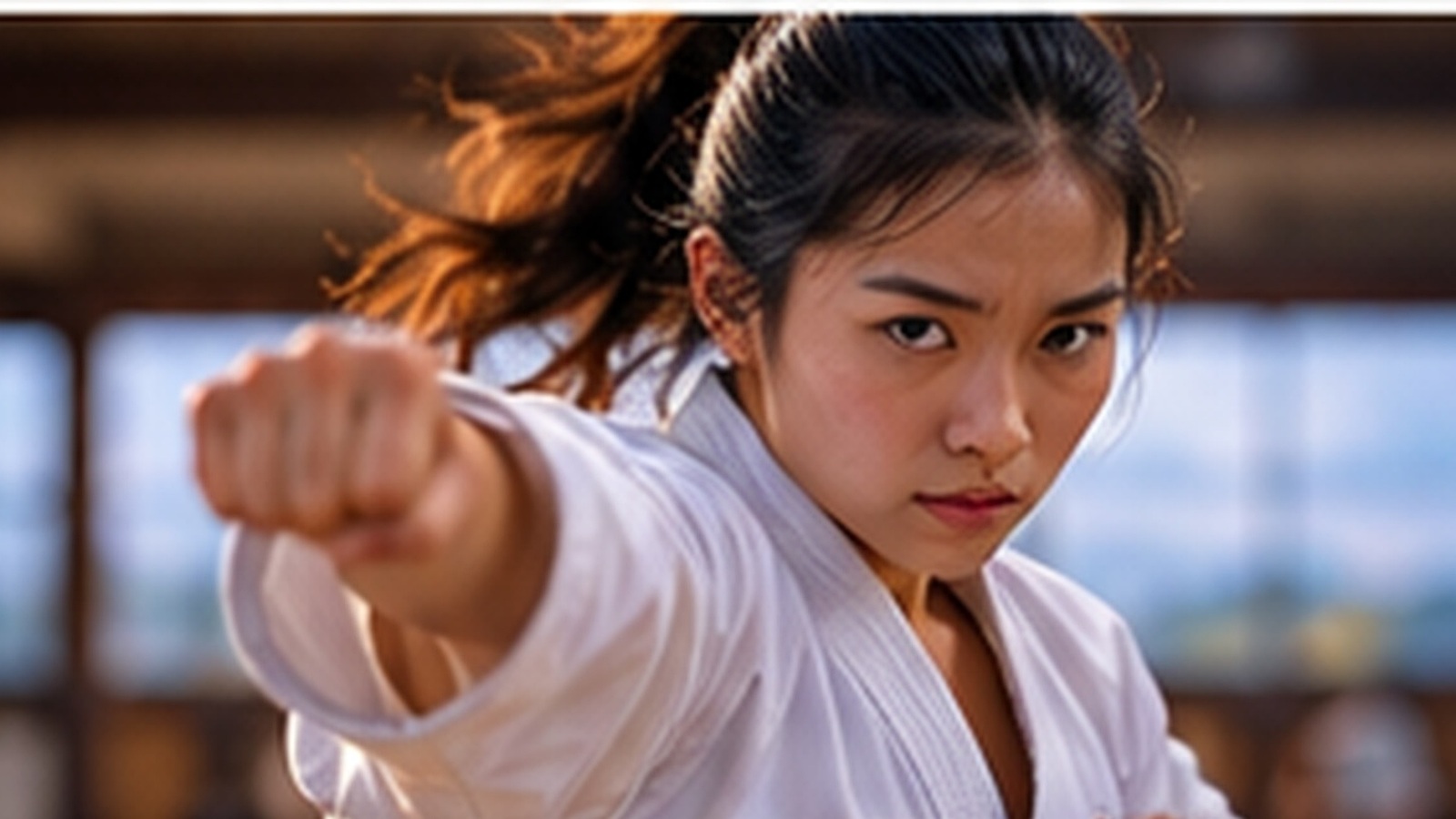
In kata, the form does not truly end at the moment the final movement is completed. Practitioners must still maintain their posture, breathing, gaze and mental focus until the entire sequence is complete. Presence in those final seconds often reveals the depth of training: the technique has stopped, but control of body and mind remains active.
In kumite or competition, emotions can change very quickly. A good technique can bring excitement, while an unfavourable situation can cause frustration or panic. The spirit of Zanshin reminds karate practitioners that each moment is only one part of the overall situation. After attacking, they need to return to a controlled state; after coming under pressure, they need to regain calm. A moment of success should not lead to complacency, nor should one mistake lead to several more.
Building Zanshin Through Small Habits
Zanshin can be cultivated through simple exercises, provided they are performed with clear awareness.
- Hold for one extra beat after a technique: After a combination, stabilise the feet, check the centre of gravity, maintain the gaze and regulate the breath. The body will gradually understand that finishing a technique does not mean disconnecting.
- Broaden awareness: Rather than looking at only one point, learn to sense distance, the opponent’s position, the surrounding space and your own condition. Attention should be broad, but not scattered.
- Finish with intention: After kata, a conditioning exercise or a round of kumite, do not relax in a disorganised way. Take a few seconds to regain your breath, stand firmly and note your physical state before moving on to something else.
These small habits develop the ability to transition from powerful action to calmness. In this sense, Zanshin is not only alertness toward an opponent, but also the ability to observe oneself.
From the Dojo to Everyday Life
The value of Zanshin lies in how closely this spirit relates to an essential skill in modern life: the ability to be present. Many mistakes do not occur at the beginning, but at the end, when we assume everything is finished—a carefully written email whose recipient is not checked, an effective meeting that does not confirm the actions to be taken, or a journey that is nearly complete but where concentration has already declined.
The same applies to communication: listening is not simply waiting for one’s turn to respond. Understood in a broader sense, Zanshin encourages us to remain fully present in a conversation: to listen through to the end, observe reactions and avoid rushing to conclusions. It is a way of maintaining attention toward work, people and the changes unfolding around us.
The greatest challenge of Zanshin may be balance. If too tense, practitioners become slow and rigid; if too relaxed, awareness disappears. The state to aim for is gentle readiness: the body can respond, but the mind remains unforced. Karatedo therefore teaches not only how to begin a movement, but also how to complete it with presence.
Comments